
TURN vs. The Fit
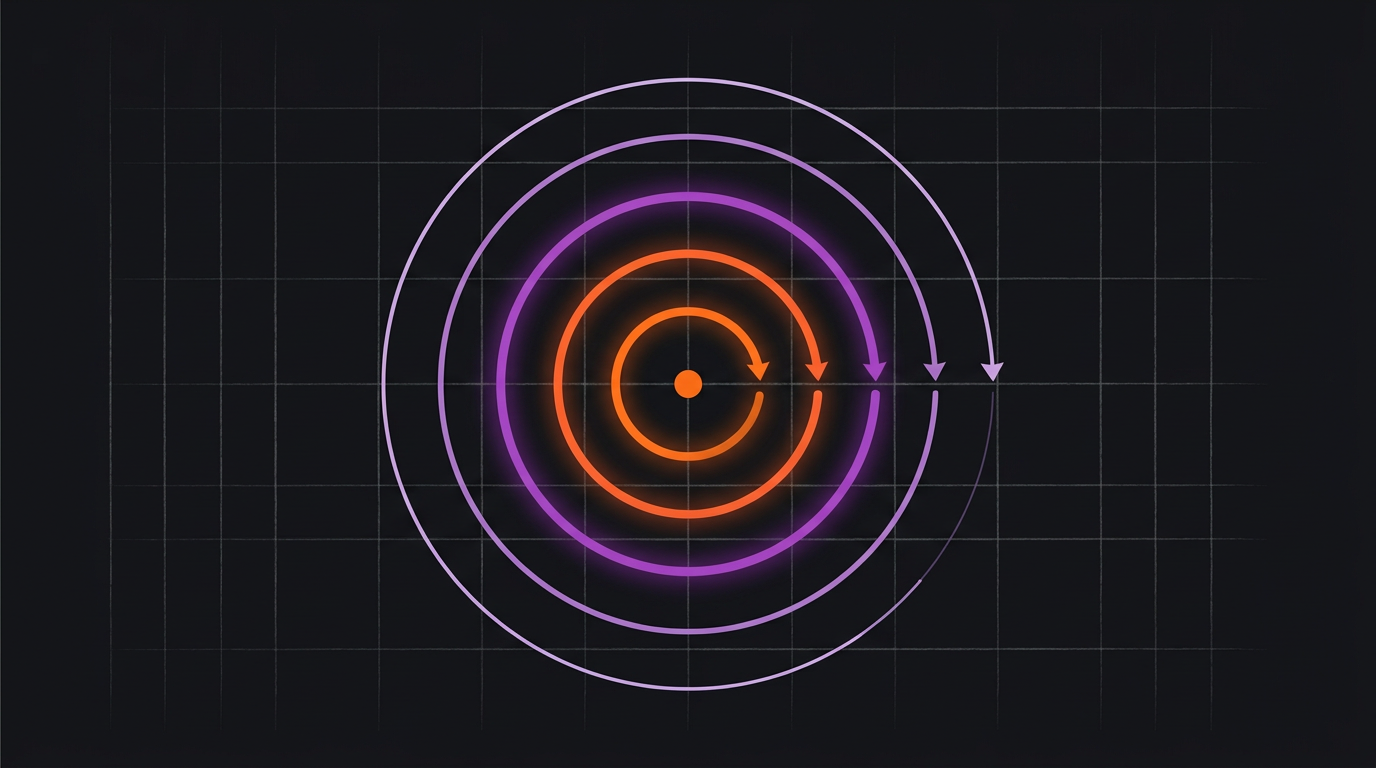
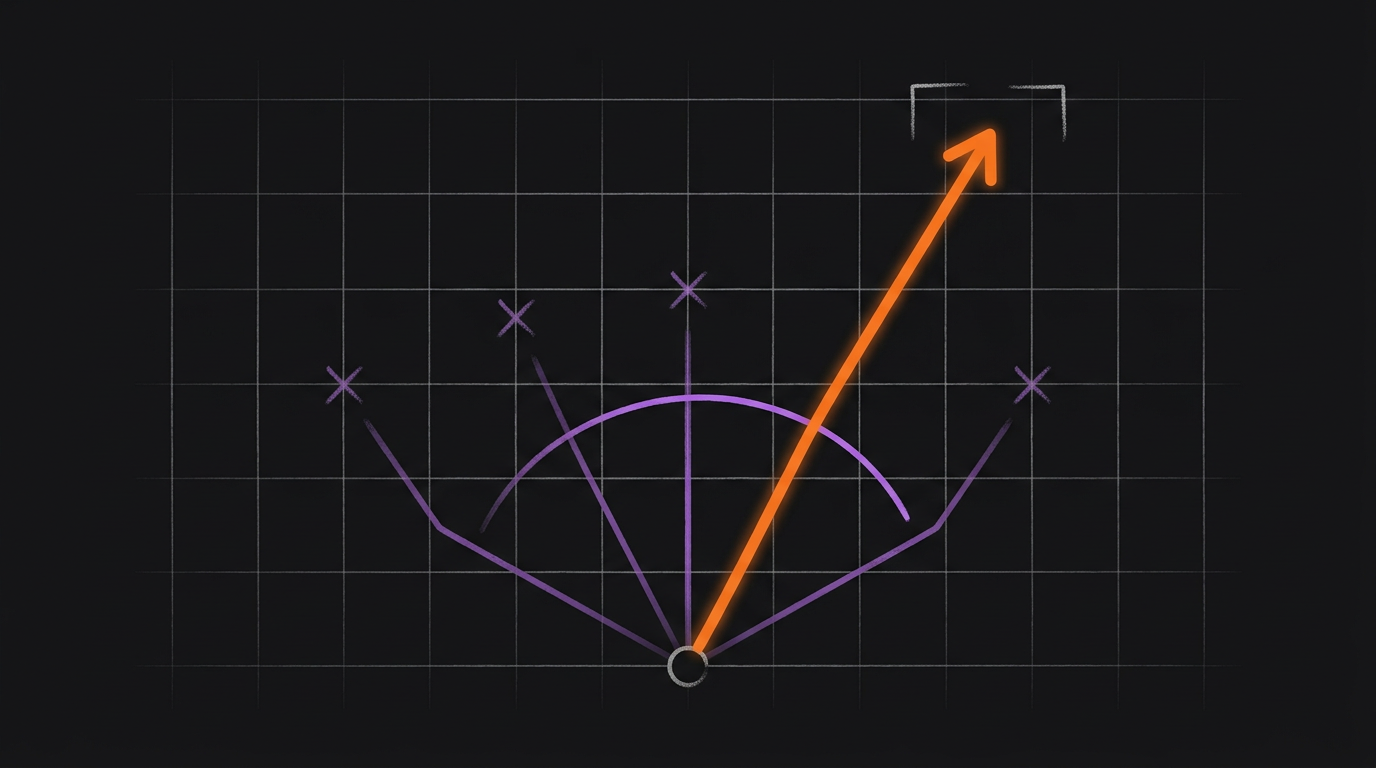
TURN and The Fit both practice restraint, neither pattern pitches hard, but they restrain for opposite reasons at opposite ends of the deal. TURN holds back assertions early so the prospect can build conviction themselves; The Fit holds back options late so the prospect can act on conviction they already have. One builds the desire; the other unblocks the decision.
Why the pattern matters
A TURN deck asks: what happens downstream when enrollment stalls, and what would fixing it be worth? A Fit deck states: you've decided this matters; of the three paths, take this one, and here's the floor. A question-machine and a judgment-machine: confusing the two means interrogating a prospect who's done deciding, or ruling for a prospect who hasn't started.
There's also a posture trap: TURN's whole discipline is not telling: the prospect authors everything. The Fit's whole discipline is telling: the vendor performs the judgment the prospect dreads. A rep who carries TURN's Socratic reflex into a stalled endgame keeps asking questions when the prospect desperately wants an answer.
Questions past the sale
Discovery questions aimed at a prospect who has already concluded, sometimes weeks ago, reopen settled ground. The prospect hears the staircase being built beneath a conclusion they already stated, wonders if the rep was listening, and the sale's momentum dissipates into process.
A verdict before conviction
The Fit's confident recommendation lands as presumptuous when the prospect hasn't yet decided the problem matters. Narrowing options they never explored and flooring risks they never felt is judgment without jurisdiction: the prospect never asked this vendor to rule.
Both misfires waste the pattern's core asset, restraint, at the exact moment the prospect needed its opposite.
| Dimension | TURN | The Fit |
|---|---|---|
| Core discipline | Withhold assertionsThe prospect states the need | Withhold optionsThe vendor states the path |
| Deal stage | EarlyConviction being built | LateConviction built, decision stuck |
| Who talks most | The prospectAnswering, concluding, owning | The deckJudging, recommending, flooring |
| What's manufactured | A conclusion"That's right," in their words | A decisionSigned, because it's survivable |
| Emotional mechanism | Self-persuasionOwned conclusions get defended | De-riskingFloored downsides get chosen |
| Risk if misapplied | Re-litigationQuestioning the already-convinced | PresumptionRuling for the unconvinced |
Choose TURN if
- The prospect hasn't yet felt what the problem costs
- There's room for genuine discovery dialogue
- A champion must carry the conclusion without you
- The prospect resists being told anything
Choose The Fit if
- Conviction exists: the signature doesn't
- The prospect faces options and fears the wrong one
- The stall reads as fear, not doubt
- The prospect wants the vendor's judgment, on the record
How they actually differ
Put side by side, these two patterns describe the full life cycle of a prospect's certainty.
TURN manufactures certainty. Its research base says people commit to conclusions they author. So the deck engineers authorship: situation, problem, implication, need-payoff, a sequence whose entire purpose is that the decisive sentence gets spoken by the prospect. At the end of a good TURN cycle the prospect is certain, and it's genuinely theirs.
The Fit protects certainty from fear. Its research base says certainty isn't sufficient: convinced prospects still walk away when choosing feels dangerous. So the deck attacks the danger: one recommendation with the reasoning shown, options taken off the table on the record, the worst case floored. It adds no new conviction; it clears the path for conviction to become a signature.
In long consultative cycles this pair chains naturally: TURN builds the champion, and when the champion's committee stalls at the finish, The Fit gives the champion the recommendation and floor to close it. For more on each pattern, see TURN and The Fit in Pitchcraft.
See which pattern your deck already runs
Upload your deck and DeckShift reads the pattern before it changes a slide, then rebuilds it for the prospect you name.
Not ready to shift it? Score your deck free first.