
The Bridge vs. The Pushback
The Bridge and The Pushback both make a problem impossible to ignore, but they assume opposite starting points. The Bridge quantifies a problem the prospect already admits to; The Pushback reveals a problem they don't believe they have. Which fits depends on whether the prospect's view of their own situation is accurate or expired.
Why the pattern matters
Run the same deck both ways and it makes two different arguments. As a Bridge it says: here is what the problem you already know about costs you. As a Pushback it says: the problem you think you have isn't your real problem. One treats the prospect's self-diagnosis as correct and prices it; the other treats that self-diagnosis as the obstacle.
That's why the choice hinges on a judgment about the prospect, not the product: is their mental model of their own business accurate? Quantify against an accurate model and the case lands. Challenge an accurate model and you've picked a fight you can't win.
Quantifying the wrong problem
Building an arithmetic case on the prospect's stated problem when their diagnosis is actually wrong produces a number that's precise and irrelevant. The deck wins the calculation and loses the deal, because the real cost sits somewhere the prospect isn't looking, and the deck never looked either.
Challenging a prospect who's right
Teaching a prospect who already understands their problem correctly reads as condescending, and the productive tension the insight was supposed to create curdles into irritation. A reframe only earns attention when it's genuinely news.
Neither misfire is loud: the wrongly-priced deck gets politely filed, and the wrongly-challenged prospect simply doesn't take the second meeting.
The route each one runs
Each pattern starts the deck in a different place and leaves the prospect somewhere different.
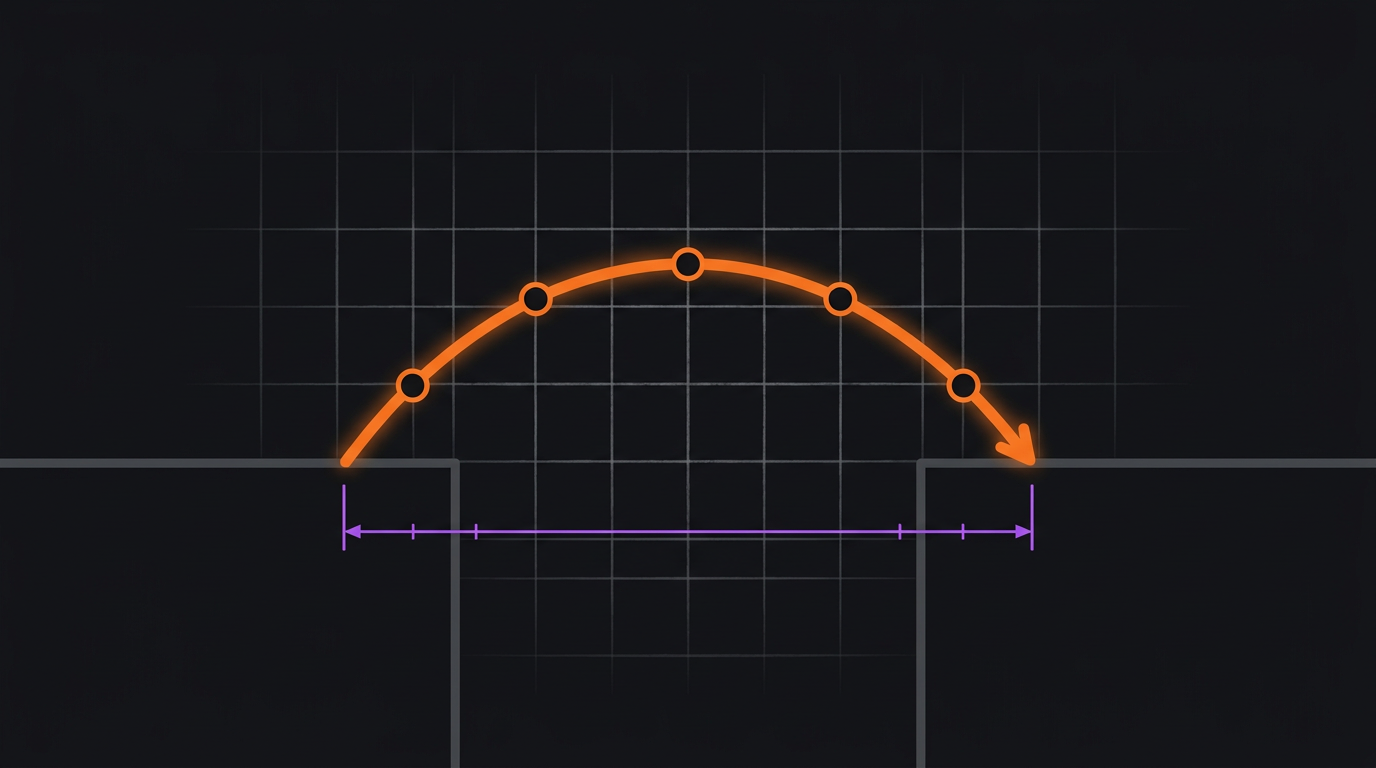
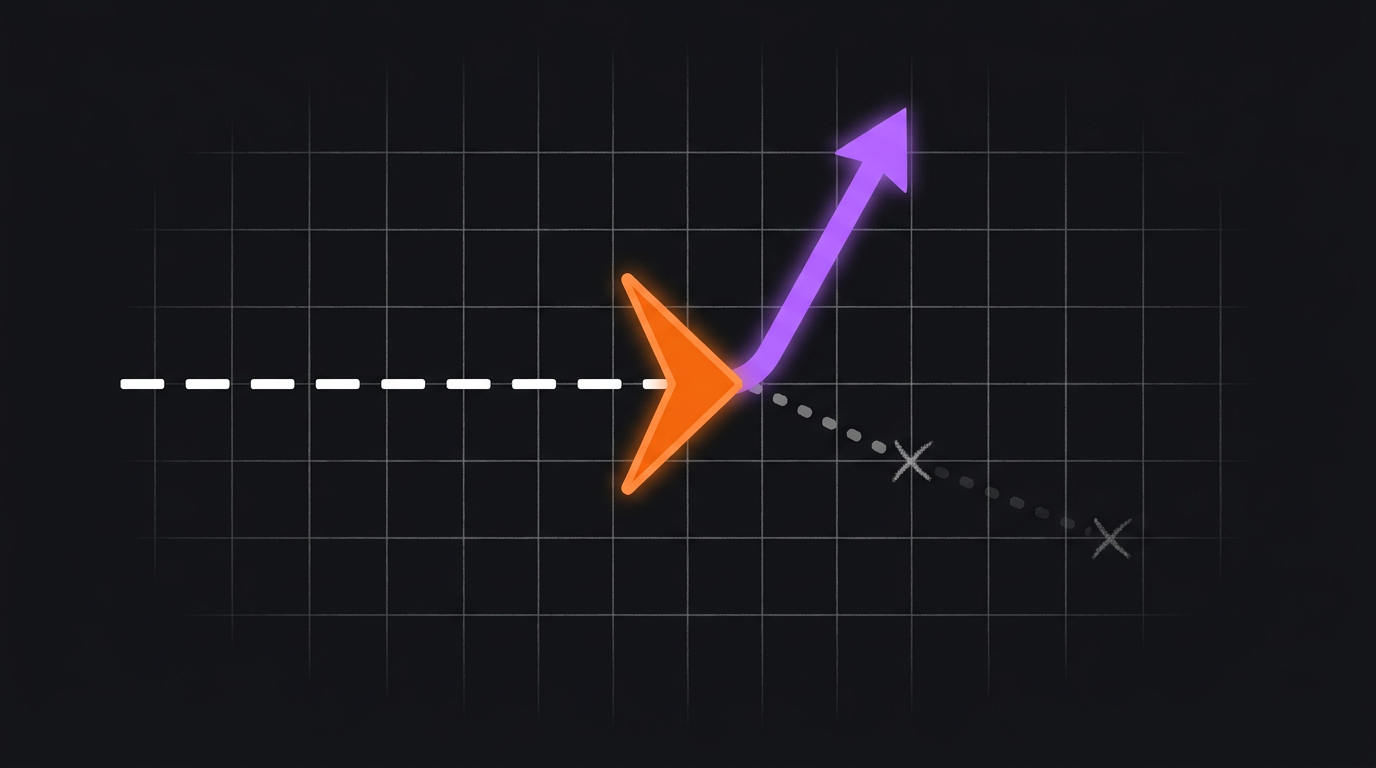
| Dimension | The Bridge | The Pushback |
|---|---|---|
| Core move | QuantifyA problem the prospect already owns | ReframeA problem the prospect doesn't yet believe |
| Prospect's self-diagnosis | TrustedThe pattern prices it as stated | ChallengedThe pattern treats it as expired |
| Emotional temperature | CoolArithmetic the prospect can check | ChargedProductive tension, held deliberately |
| Deck's authority source | The prospect's dataTheir own systems, reflected back | The vendor's researchEvidence the prospect hasn't seen |
| Competitive picture | Clear fieldThe case is against doing nothing | Crowded fieldThe insight rewrites the checklist |
| Risk if misapplied | Irrelevant precisionRight number, wrong problem | CondescensionTeaching a prospect who gets it |
Choose The Bridge if
- The prospect's diagnosis of their own problem is accurate
- The pain shows up in numbers the prospect already tracks
- A financial approver will read the deck line by line
- The deal is competing with inertia, not a crowded shortlist
Choose The Pushback if
- The prospect is comfortable, and wrong, about their situation
- Every vendor is being scored on the same commodity checklist
- You're displacing an incumbent the prospect has stopped questioning
- You hold genuine research the prospect hasn't seen
How they actually differ
The confusion between these two is understandable: both end with a prospect convinced their status quo is expensive. The difference is where that conviction comes from.
The Bridge accepts the prospect's problem and prices it. It takes the difficulty the prospect already names, digs to the root cause, and attaches a number sourced from their own systems. Nothing in the deck asks the prospect to change their mind about what's wrong, only to see clearly what wrong costs.
The Pushback replaces the prospect's problem before pricing anything. It opens with evidence that the prospect's operating belief has quietly expired, holds the discomfort of that reframe, and only then points at the new path. The economic case comes later, if at all: the pattern's work is done when the prospect's old checklist stops making sense.
The two can run in sequence in a longer cycle: a Pushback reframe to establish the real problem, then a Bridge deck to quantify it once the prospect owns the new diagnosis. For more on each pattern, see The Bridge and The Pushback in Pitchcraft.
See which pattern your deck already runs
Upload your deck and DeckShift reads the pattern before it changes a slide, then rebuilds it for the prospect you name.
Not ready to shift it? Score your deck free first.